
Why Local Marketing and Grassroots Efforts Are the Backbone of Franchise Growth
National brand campaigns build awareness, but they rarely walk a customer through the door. That's the job of local marketing: the location-specific, community-rooted efforts that turn brand recognition into foot traffic, loyalty, and repeat business. For franchise systems, the strongest growth doesn't come from choosing between national and local strategy — it comes from treating local marketing as the engine that makes national investment pay off.
The National-Local Gap in Local Marketing and Franchising
Franchisors invest heavily in brand consistency, national advertising, and system-wide campaigns, but customers experience a franchise business through individual locations, not through broad corporate messaging alone. A national commercial might build familiarity, yet local customers usually decide to visit based on what the local audience sees and hears in that customer’s own neighborhood. Industry panels have noted this shift directly: many brands still operate on a 70/30 digital-to-local ratio, but marketing leaders are increasingly recommending a closer 60/40 split to improve efficiency.
Franchisees, for their part, don't care how visible the brand is nationally unless that visibility shows up in their own ZIP code. An effective franchise marketing strategy balances national marketing with local marketing efforts across the entire franchise network.
Local SEO Is Doing More Work Than Most Systems Realize
Local search has quietly become one of the highest-performing channels available to franchise brands, with search engine optimization driving the broader discipline behind local SEO performance. Recent industry data shows that 72% of franchise systems now allocate at least 40% of their marketing budgets to local SEO, and 75% of local companies report that local SEO generates more leads than paid advertising alone. Google Business Profile optimization for every location is often the single highest-leverage local marketing asset a franchise system can maintain because it improves local search visibility and directly shapes whether a nearby customer chooses your location or a competitor's. Each franchise location should also use local keywords so the search engine can better match nearby intent. Strong online reviews also support local search visibility for a local business.
Grassroots Marketing and Community Engagement Build Trust Digital Ads Can't Buy
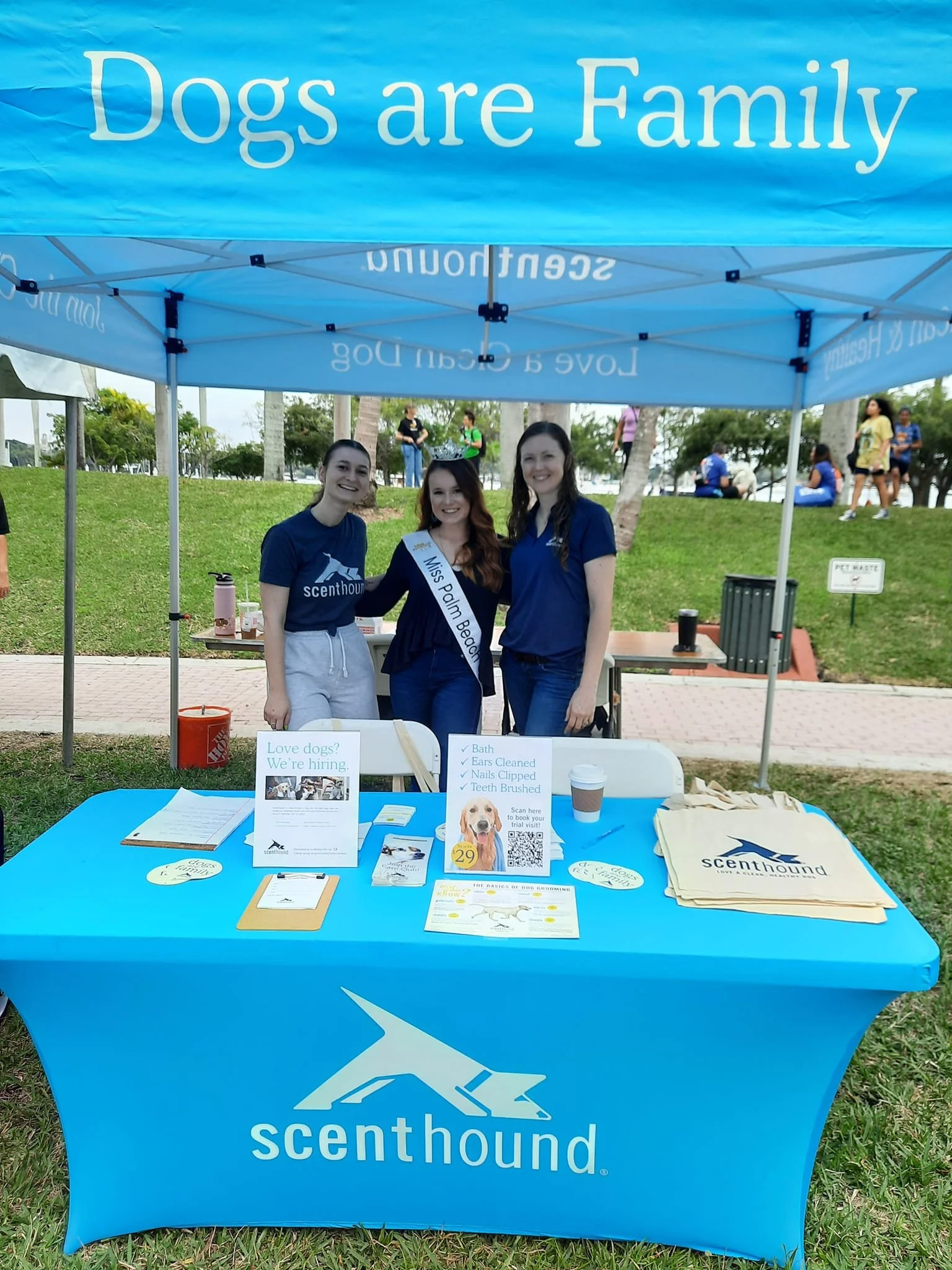
Grassroots marketing (think local sponsorships, community events, charity partnerships, and in-person engagement) works because it creates community engagement and local community engagement rather than just announcing commitment. A local Scenthound franchisee partnering with a local animal shelter, or a home improvement location hosting a free workshop, helps build local relationships in the local community and signals that the business is a neighbor, not just a logo. This kind of community involvement through local partnerships can strengthen brand visibility and brand loyalty. These efforts also tend to generate organic word-of-mouth, which continues to be one of the lowest-cost, highest-trust channels a franchise location can tap into. Sponsoring local sports teams is another practical way to show up consistently.
Localized Campaigns Convert Better Than Generic Ones
The performance gap between generic messaging and local marketing campaigns is measurable. Franchise marketing data shows that running ads tailored to specific regions boosts lead quality by 38%, and targeted campaigns outperform broad, one-size-fits-all creative. Localization works because local relevance improves when marketing messages are shaped around the target audience, whether that means referencing a local landmark, adjusting for regional language, or timing a promotion around a community event. Seasonal promotions are one example of local campaigns that can market locally better than generic creative. Franchise systems that lean into this level of specificity consistently outperform those running identical creative across every market. In practice, effective local marketing depends on matching each market’s approach to its target audience.
Consistency Still Matters, Even at the Local Level
Grassroots and local marketing don't mean abandoning brand standards; in fact, local franchise marketing depends on maintaining brand consistency from one market to the next. Consumers increasingly reward franchise brands that deliver reliable experiences, which strengthens brand reputation and reinforces trust in the franchisor's corporate branding. The goal isn't to let every location freelance its own brand identity; it's to give franchisees the tools, creative templates, and local flexibility to represent the brand authentically within their own community, using comprehensive brand guidelines and consistent messaging so local franchises can adapt without drifting from the national brand. This balance matters even more for multi location businesses.
How Franchisors Can Support Local Efforts at Scale
Equip, don't dictate. Provide franchisees with localizable templates, co-op ad funds, and pre-approved creative they can adapt to their market rather than requiring every asset to be produced centrally, and give franchise owners the marketing support of localizable assets and guidance needed to execute franchise marketing efforts well.
Prioritize Google Business Profile accuracy. Assign clear ownership for keeping hours, photos, and location details current across every unit so listings stay optimized for search visibility without overcomplicating the process.
Fund grassroots participation. Build a modest budget line specifically for community sponsorships, local events, and charity partnerships at the unit level, and pair that with selective traditional advertising like local newspapers or direct mail campaigns when it fits the market.
Track local-level ROI separately. Local SEO and grassroots efforts often show up differently in attribution data than national campaigns, so measuring them with their own benchmarks helps tie results to customer acquisition and creating brand awareness at the local level.
Use digital channels to reinforce local relevance. Social media marketing and digital advertising should support local engagement on the most relevant social media platforms while staying aligned with national messaging.
Balance autonomy with coordination. Local franchise owners need enough room to run local campaigns, while the franchisor coordinates broader marketing efforts across the system.
The Bottom Line
Local marketing and grassroots engagement aren't a smaller, scaled-down version of national strategy, they're what turn national brand awareness into growth for individual franchise locations. Franchise systems that give local marketing genuine budget, tools, and attention while aligning it with digital marketing consistently see stronger search visibility and deeper local engagement than those relying on national campaigns alone.
The strongest marketing strategy combines grassroots execution, local SEO, and community-focused tactics to reach local customers.