
Secret to Building Customer Loyalty in Dog Wellness Franchise: What Is It?
The secret to building customer loyalty in a dog wellness franchise is delivering consistent, preventative wellness care backed by trust, education, and personalized communication. For franchise operators, wellness team members, and pet parents, that means creating a high-quality experience every visit—one that gives dogs regular care, gives pet parents early wellness insights, and sends them home with clear recommendations for maintaining their dog’s health. This article looks at the factors that strengthen loyalty in a dog wellness franchise, including consistency, preventative care, education, personalized communication, technology, transparency, and how to measure loyalty over time. When customers keep coming back for routine wellness visits, dogs benefit from earlier detection and better preventive support, while pet parents gain confidence in the care and the franchise builds lasting, repeat relationships.
Why Does Customer Loyalty Matter in Dog Wellness?
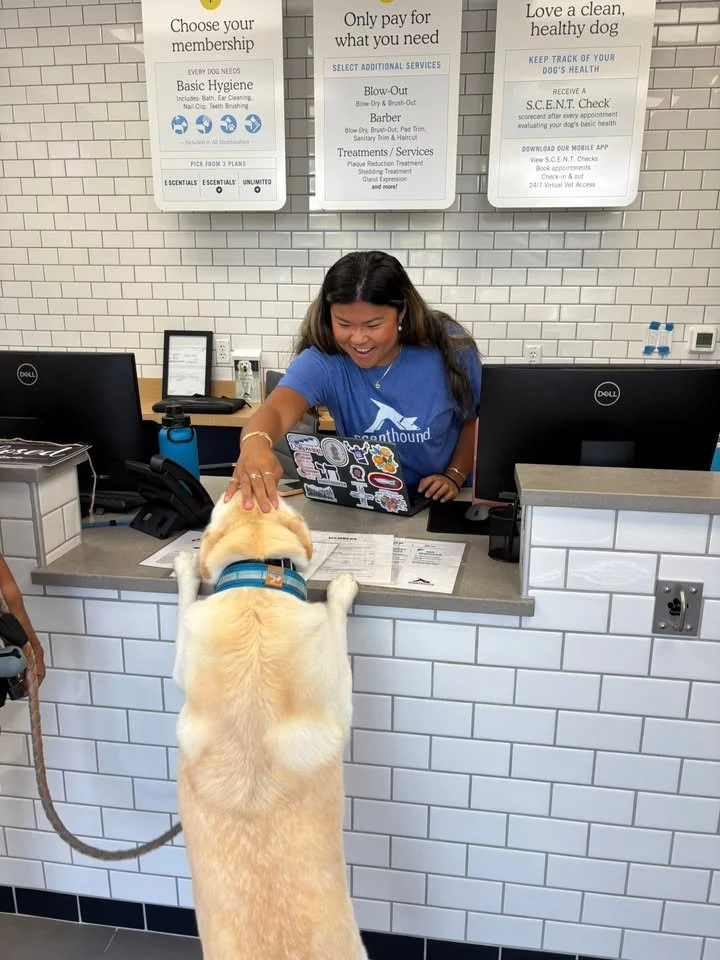
Loyal customers are more likely to maintain regular wellness appointments, helping dogs stay healthier through preventative care rather than reactive treatment. In the pet industry, that consistency supports customer retention because emotional connections grow when care feels aligned with what pet parents value. Consistent visits also allow wellness teams to identify changes in skin, coat, ears, nails, or teeth before they become more serious concerns. That continuity benefits both the dog and the pet parent through better long-term outcomes.
Industry trends reinforce this shift. Scenthound surpassed 1 million completed appointments in 2024, highlighting growing demand for routine hygiene and wellness care designed around preventative maintenance rather than occasional visits. Consumer expectations have shifted, and many pet parents now choose a brand that reflects their values, not just convenience.
Consistency Creates Trust
Dogs thrive on routine, and so do pet parents. Every visit should follow the same proven wellness process so families know exactly what to expect regardless of location or team member. That consistency creates a proven business model for a pet franchise, because routine execution builds trust across locations.
Consistency also improves the ability to monitor wellness over time. Comparing observations from previous visits helps teams monitor skin over time as part of ongoing pet wellness tracking, making it easier to identify gradual changes that may warrant additional attention from a veterinarian before they become larger health concerns.
How Does Preventative Pet Wellness Care Build Loyalty?
Preventative wellness demonstrates value beyond the appointment itself by making preventive care an essential part of pet care and a dog's overall well being. Rather than simply addressing visible hygiene needs, regular wellness visits help monitor important indicators that can signal developing health issues.
Examples include:
Changes in skin or coat condition
Ear irritation or excessive buildup
Nail health and mobility concerns
Dental hygiene observations
Weight or body condition changes
These routine checks also support early detection before more advanced veterinary services may be needed.
Providing these observations helps pet parents make informed decisions and reinforces that every visit contributes to their dog's overall health.
Education for Pet Parents Strengthens Every Relationship
Pet parents appreciate understanding why routine wellness matters. Clear explanations help connect services with long-term health benefits instead of treating appointments as isolated tasks.
Educational conversations should be simple, actionable, and personalized. For example, that may include quick guidance on choosing healthier pet food or reading food labels as part of everyday wellness habits. When pet parents understand how regular wellness supports comfort, mobility, and early detection, they are more likely to maintain a consistent care schedule.
Personalized Care Makes Every Visit More Valuable
Every dog has different needs based on breed, age, activity level, and medical history, as well as broader pet care routines and the emotional bond many see when a dog is part of the family. Recording observations from previous visits allows wellness teams to tailor recommendations while creating continuity for pet parents.
Personalization may include:
Customized hygiene schedules
At-home maintenance recommendations
Product suggestions based on coat or skin condition, including suitable pet products or pet supplies
Monitoring recurring wellness indicators
Tailoring recommendations to each dog's routine helps pet parents feel understood.
This individualized approach shows pet parents their dog is known—not just remembered.
Can Technology Improve Customer Loyalty?
Yes. Digital appointment reminders, wellness reports, and service history make it easier for pet parents to stay consistent with routine care as part of stronger loyalty programs or membership experiences. These tools also improve communication by documenting changes over time and supporting informed conversations during each visit.
Technology can also improve operational consistency through standardized wellness checklists, accurate recordkeeping, and timely follow-up communication, which can also support recurring revenue through memberships or routine plans. Faster response times and reliable documentation contribute to greater confidence in the care provided.
Transparency Builds Long-Term Confidence
Pet parents want clear communication and transparent pricing around what was observed during each visit, why recommendations are being made, and the focus of each service. Transparent reporting builds confidence because families understand exactly how their dog's wellness is being monitored.
Measuring Customer Retention and Loyalty Beyond Repeat Visits
Strong customer loyalty can be measured not only through repeat visits, but also through community engagement and participation in values-based initiatives, including:
Appointment consistency
Membership retention
Customer satisfaction scores
Time to resolution for questions or concerns
Personalized recommendation acceptance
Referrals from existing pet parents
Engagement with local community programs or shelter partnerships
Strong loyalty programs often help a pet brand build community around shared values; partnerships with local shelters can deepen emotional connections, and pet parents often prefer brands that reflect their values.
Frequently Asked Questions
How often should my dog receive routine wellness care?
The ideal schedule depends on your dog's breed, age, coat type, activity level, and overall health. Many pet parents build routine wellness visits into an overall pet wellness schedule, with many dogs benefiting from appointments every four to eight weeks alongside home care between visits.
What makes preventative wellness different from veterinary care?
Routine wellness focuses on hygiene maintenance and identifying visible wellness indicators early, which supports preventive care, while veterinarians provide veterinary services needed to diagnose and treat medical conditions.
Why is consistency so important?
Consistent visits make it easier to recognize gradual changes in your dog's condition, allowing potential concerns to be identified earlier.
How do wellness reports benefit pet parents?
Wellness reports provide a documented history of observations, helping pet parents track patterns and monitor skin, coat, and other visible indicators between visits, while also supporting conversations with your veterinarian if needed.
What keeps pet parents coming back?
Reliable service, personalized recommendations, clear communication, and consistent wellness outcomes all contribute to lasting customer loyalty, but pet parents often stay loyal when they feel emotional connections to the brand.
Conclusion
Customer loyalty in a dog wellness franchise isn't built through promotions alone but through a business model centered on pet care, trust, and measurable value. It's earned through consistent routine hygiene care, preventative wellness monitoring, transparent communication, and personalized support that helps dogs stay healthier over time. When pet parents trust that every visit delivers measurable value and dependable care, loyalty becomes a natural result and helps a company strengthen its brand over time.