
The Secret to Building Customer Loyalty in a Dog Wellness Franchise
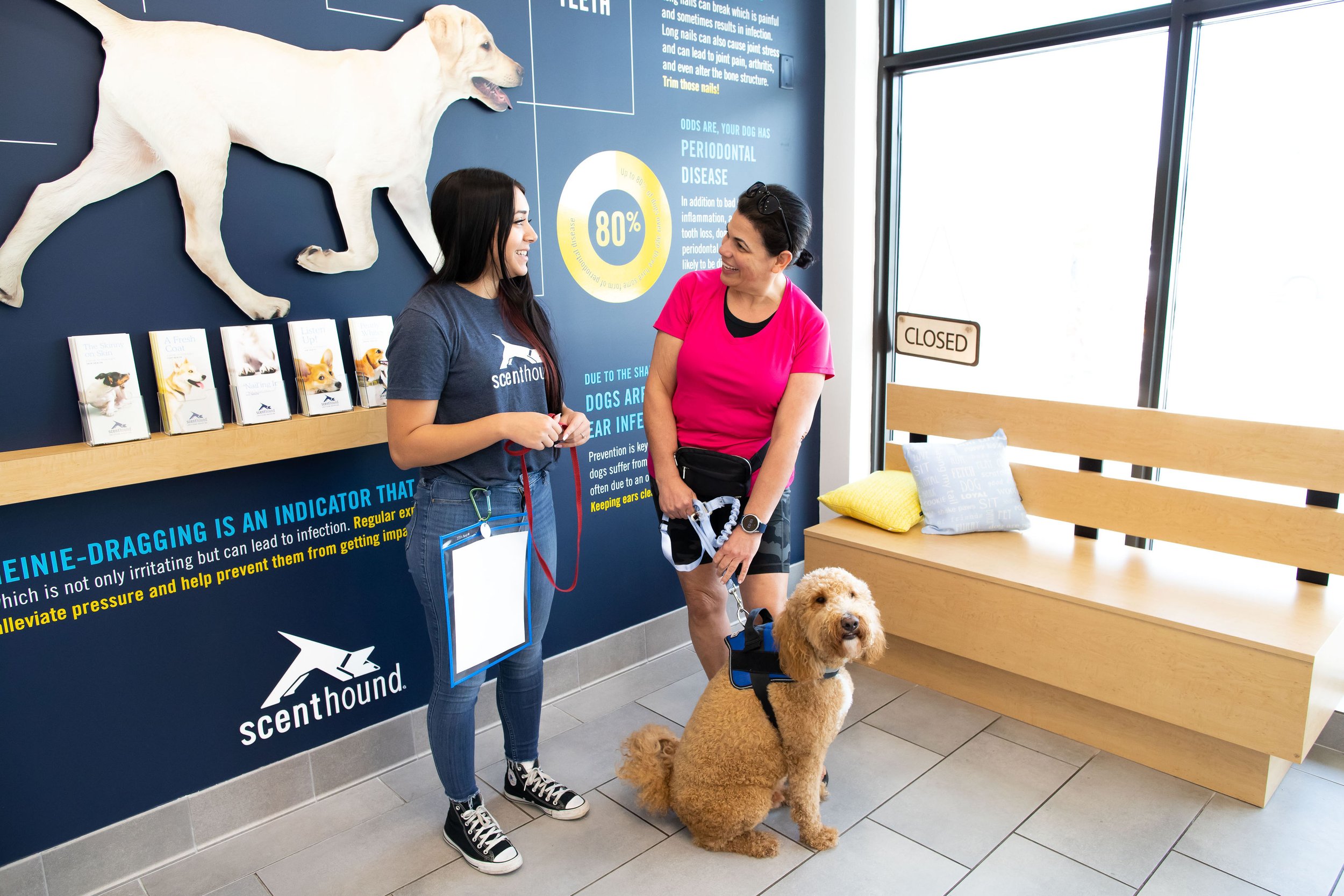
In this blog, you’ll learn:
What truly drives customer loyalty in the dog wellness industry
Why consistency, trust, and education matter more than ever
How dog wellness franchises can build long-lasting relationships with pet parents
The role of communication and transparency in keeping customers engaged
How offering ongoing care—not just grooming—creates loyal, lifelong customers
You’ll also discover how customer loyalty programs serve as a key strategy for building long-term relationships and fostering a sense of community within the dog wellness franchise industry.
Why Customer Loyalty Matters in Dog Wellness
In the dog wellness industry, customer loyalty isn’t built on a single service. It’s built on trust, consistency, and meaningful relationships. A dedicated customer base is developed when pet parents experience reliable, personalized care over time, fostering repeat visits and advocacy. Pet parents want partners—professionals who help them understand their dog’s health and feel confident in their choices. That’s why building customer loyalty in a dog wellness franchise requires more than high-quality grooming. It requires a thoughtful experience that prioritizes the dog’s well-being and the parent’s peace of mind.
In a franchise setting, loyalty becomes even more essential. A loyal customer not only returns regularly—they recommend services, share positive experiences, and build community trust around your brand. The stronger the loyalty, the stronger the franchise’s long-term growth. Focusing on existing customers is crucial, as retaining them is more cost-effective and ensures steady revenue. Additionally, a strong loyalty program can provide a competitive advantage in the dog wellness market by differentiating your franchise and increasing customer retention.
The Secret to Building Customer Loyalty in a Dog Wellness Franchise
The true secret lies in a simple concept: care that goes beyond appearance. Pet parents want a franchise they can rely on for wellness, guidance, and consistent results. Understanding and meeting customer expectations is crucial for building lasting loyalty, as customers are more likely to return when their anticipated standards and preferences are consistently fulfilled. Below are the foundational strategies that help a dog wellness franchise earn and maintain loyalty.
For ideas on how to get involved in your community and gain customers, click here.
Prioritize Wellness Over Vanity
Focus on the Whole Dog
Customers increasingly choose wellness-focused services over cosmetics alone. They want ear cleaning, nail care, teeth checks, skin assessments, and preventative care—not just a fresh haircut. When a franchise centers its services on long-term health, customers feel supported, informed, and confident.
Provide Clear Health Insights
One of the best ways to build loyalty is by offering insights after every visit. Sharing updates on ear health, coat condition, or behavioral observations helps pet parents monitor changes and catch issues early. That transparency builds trust and positions the franchise as an essential wellness partner.
Make Consistency Non-Negotiable
Predictable Quality Builds Trust
Customers return to franchises that deliver consistent service every time. Whether they visit weekly or monthly, the experience should feel familiar: same process, same care standards, same communication.
Standardized Systems Strengthen Loyalty
Dog wellness franchises succeed when every location follows the same protocols. This ensures that no matter where a customer goes, the care—and the outcome—feels uniform. Reliability is one of the strongest drivers of loyalty.
Create a Personalized, Care-Centered Experience
Recognize the Dog and the Parent
Remembering a dog’s name, temperament, and preferences may seem small, but it’s powerful. Personalized care makes pet parents feel valued and deepens their emotional connection to the brand.
Tailor Recommendations
When staff provide personalized tips—whether about coat health, bathing frequency, or nail maintenance—it positions the franchise as a trusted guide rather than just a service provider.
Build Trust Through Education
Empower Pet Owners
The most loyal customers are those who feel supported and informed. Educational content—whether through staff conversations, newsletters, or blog posts—helps customers understand why certain wellness routines matter.
Offer Seasonal and Preventive Tips
Pet parents appreciate practical advice on things like winter skin care, summer paw protection, or shedding season management. Regular education keeps them engaged and reinforces your expertise.
Communicate With Clarity and Confidence
Transparency Builds Credibility
Clear explanations of services, health findings, and pricing help customers feel respected and well-served. Uncertainty leads to anxiety; clarity builds trust.
Keep Customers in the Loop
Send reminders, wellness updates, and personalized follow-ups. A simple message—“Here’s what we noticed today”—goes a long way in reinforcing the feeling of partnership.
Foster a Welcoming Environment
Make It a Place Both Dogs and Humans Enjoy
A clean, friendly, and efficient wellness facility creates positive associations. When dogs feel comfortable walking through the door, customers are far more likely to return.
Train Staff to Lead With Compassion
Empathy and kindness are essential in dog wellness. When staff are gentle, patient, and confident, customers quickly recognize the value of the experience.
Find more information on our training and support systems here.
Gathering Customer Feedback
Customer feedback is the backbone of any successful loyalty program in the pet industry. For pet businesses, understanding what pet owners truly want and expect is key to creating experiences that keep them coming back. Gathering feedback can happen in many ways—through quick surveys after a visit, engaging with customers on social media, sending follow-up emails, or simply having conversations in store. Each interaction is an opportunity to learn more about your customers and what matters most to them.
By actively seeking out and listening to customer feedback, pet businesses can identify what’s working, spot areas for improvement, and make informed decisions that enhance the overall customer experience. This ongoing dialogue not only helps refine your loyalty program but also shows customers that their voices are valued, building a foundation for long-term loyalty.
Listen to What Matters Most
Building a loyal customer base starts with truly listening to pet owners. When pet businesses pay attention to customer concerns, suggestions, and even compliments, they demonstrate a genuine commitment to customer satisfaction. Responding promptly to feedback—whether it’s a question about pet food, a suggestion for new pet supplies, or a request for exclusive discounts—shows that you care about your customers’ experiences.
For example, a pet store might use feedback to adjust its loyalty program, offering more relevant rewards that reflect what customers actually want, such as discounts on popular pet food brands or early access to new pet supplies. By making these changes, you not only encourage customers to remain loyal but also foster strong relationships that set your business apart.
Turn Insights Into Action
Collecting feedback is only the first step; acting on it is where real change happens. When pet businesses use customer feedback to improve their loyalty program, enhance client communication, or introduce new services, they show a commitment to continuous improvement. This could mean a veterinary clinic updating its client communication strategy to include regular pet care tips, health updates, and personalized reminders—making every customer feel informed and cared for.
By turning insights into action, pet businesses demonstrate that they are listening and adapting to meet customer needs. This proactive approach not only increases customer satisfaction but also strengthens loyalty, ensuring that pet owners feel confident and supported every step of the way.
Managing Customer Data
In today’s pet industry, managing customer data is essential for creating effective loyalty programs and delivering personalized experiences that keep pet owners engaged. By collecting and analyzing customer data—such as purchase history, pet preferences, and visit frequency—pet businesses gain valuable insights into customer behavior and expectations. This information allows you to tailor your marketing efforts, offer relevant rewards, and design loyalty programs that truly resonate with your audience.
Effective use of customer data helps pet businesses understand what drives repeat business and how to keep customers engaged over the long term. It also enables you to identify trends, anticipate customer needs, and stay ahead of the competition by offering experiences that feel uniquely personal.
Personalize Experiences Responsibly
Personalization is at the heart of customer engagement and loyalty, but it must be done thoughtfully and responsibly. By leveraging customer data, pet businesses can create tailored experiences that reflect individual preferences and needs—whether that’s recommending the right pet food, offering exclusive discounts on favorite products, or sending reminders for upcoming wellness checks.
For instance, a pet food company might use customer data to develop personalized nutrition plans, suggesting specific foods, supplements, or treats based on a pet’s age, breed, and health goals. These targeted recommendations not only encourage repeat business but also help build a loyal customer base that feels understood and valued.
When pet businesses use customer data to drive engagement and foster loyalty, they create strong relationships that go beyond transactions. By offering meaningful rewards and relevant experiences, you ensure that pet owners remain loyal, engaged, and eager to return—helping your business thrive in a competitive market.
Develop Subscription, Membership, or Customer Loyalty Programs
Loyalty Grows Through Routine
Membership plans encourage regular visits, which ensure better health outcomes for the dog and consistent revenue for the franchise. A predictable schedule also strengthens the customer relationship, creating long-term loyalty.
Offer Ongoing Value
Plans that include wellness checks, nail trimming, ear cleaning, and coat maintenance help dog parents stay on top of care—and keep them returning month after month.
Final Thoughts
The secret to building customer loyalty in a dog wellness franchise is simple: deliver reliable, transparent, wellness-forward care that empowers pet parents and supports dogs year-round. When a franchise becomes a trusted partner in a dog’s long-term health—not just grooming—customers stay loyal for life. By fostering long-term relationships through effective loyalty programs, franchises can achieve sustained business growth as they engage pet owners throughout their pets' lives.
At Scenthound, we help dog parents become more confident, informed, and proactive in caring for their pups. Through routine wellness services and consistent, compassionate care, we make it easier for families to support their dog’s health and grow into the best dog owners they can be.